What to eat
in Seoul
Eat this first: a bindaetteok (mung-bean pancake, ₩5,000) hot off the griddle at Gwangjang Market, with a bottle of makgeolli — one sitting and you'll understand Seoul food. After that, this is one of the best-value food cities on earth: ₩10,000–15,000 (~$7–11) buys a proper meal, and the cheap stuff is the good stuff. Korean BBQ is the one dinner that costs more, at about ₩20,000 a head. If it's night one and you don't know what anything is yet, a food tour (from ~$73) is the fastest fix.
Eat this first
Korean BBQ (about ₩17,000–21,000 a portion). Pork belly (samgyeopsal) is the default, and most grills want at least two portions per table — order them, you'll want them anyway. Seoul's average for a 200 g portion was ₩21,321 in June 2026 (Korea Consumer Agency), so budget about ₩20,000–25,000 a head with rice and a drink. Lettuce wrap, ssamjang, grilled garlic, done. Every neighborhood has a KBBQ alley; Hongdae's runs latest.
Bindaetteok (₩5,000). Gwangjang Market's mung-bean pancake, fried in enough oil to count as a confession. Eat it standing at the griddle stall with makgeolli. The single best ₩5,000 you'll spend in Korea.
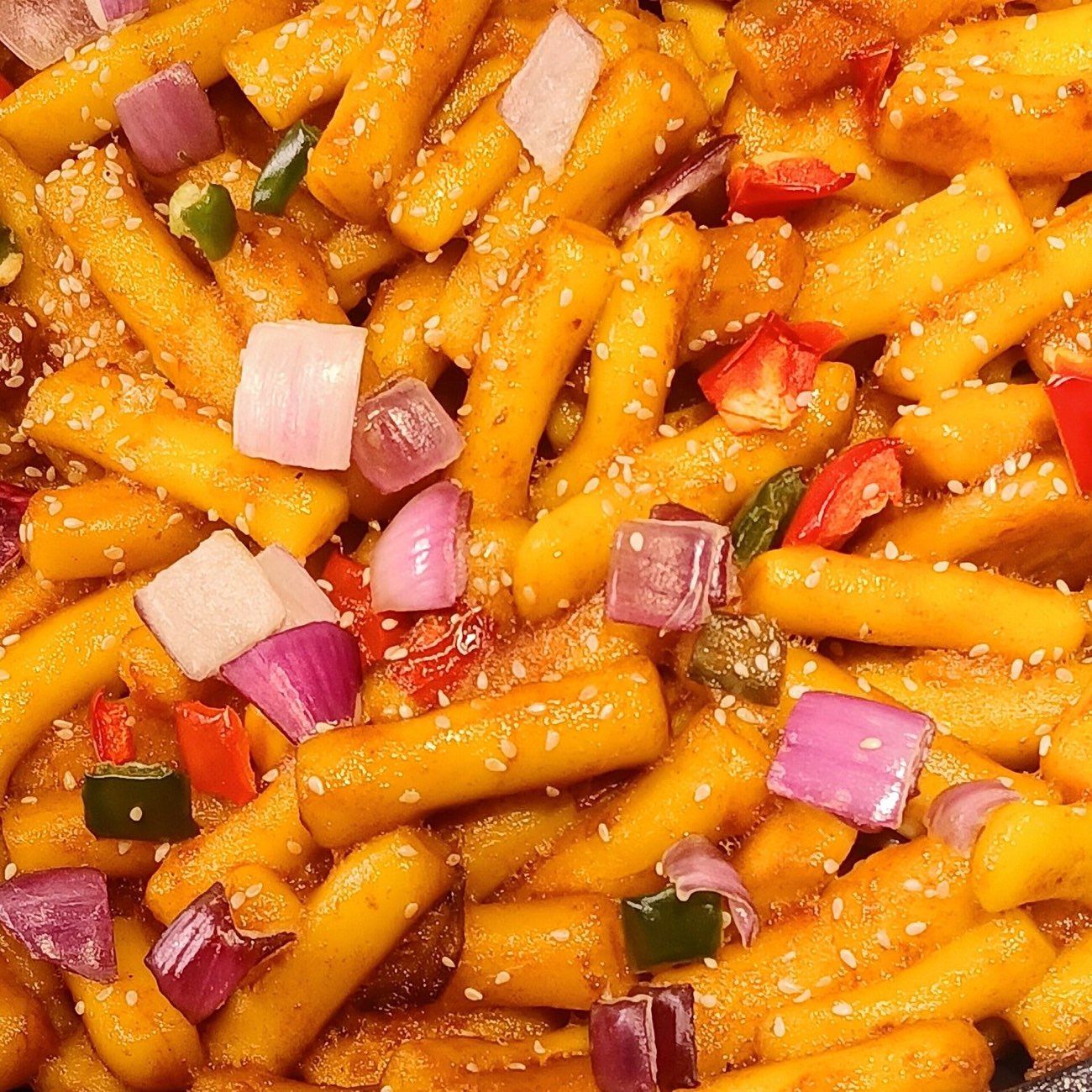
Tteokbokki (₩4,000–6,000). Chewy rice cakes in gochujang sauce, sold from carts everywhere. It's spicier than it looks. Order twigim (fried tempura) alongside to drag through the sauce.
Kalguksu (well under ₩10,000 at a market stall). Hand-cut knife noodles in anchovy broth — the thing to eat at a market at lunch; a restaurant bowl in Seoul now averages just over ₩10,000. Gwangjang's noodle-alley aunties will wave you in; pick the busiest counter.
Hotteok (about ₩2,000). A fried dough pocket of molten brown sugar and cinnamon that will burn your mouth because you won't wait. Winter street-cart standard; Myeongdong's carts sell it year-round.
Chimaek — fried chicken + beer. A whole bird costs ₩19,000–23,000 at the big chains; add draft beer and it's roughly ₩30,000 for two. Half-half (yangnyeom spicy glaze plus plain fried) is the national late-night format. Do it late, like everyone else, ideally by the Han River or after a night out.
Where to eat what
Markets for the classics — bindaetteok, kalguksu, mayak gimbap. Our market comparison picks between Gwangjang, Myeongdong's night market, Tongin and Mangwon. Short version: Gwangjang wins.
Myeongdong for the street-food carnival: the main streets fill with carts from early evening. Tourist prices (a grilled lobster tail is about ₩20,000), but a genuinely fun graze-dinner for ₩15,000–25,000.
Hongdae for late-night KBBQ, cheap student restaurants and chimaek well past midnight — the kitchens here keep club hours.
Itaewon for the one night you don't want Korean food: the best international cooking in the city, plus most of Seoul's genuinely vegetarian menus.
The 6 best food experiences in Seoul
A night food tour on your first night
A guide walks you through Gwangjang Market and orders the things you'd never point at. It recalibrates what you eat for the whole trip — which is why it belongs on night one, not night five.
Gwangjang Market at dinner time
Bindaetteok, mayak gimbap, yukhoe if you're brave, makgeolli regardless. The best cheap dinner in Seoul, and the food alley trades every day. Carry cash.
Myeongdong street market graze
Tourist prices, sure — but a strip of carts selling grilled lobster, hotteok and towering soft-serve is a fun night, and it's next to your hotel anyway. Prices must be posted; read the sign before you order.
Late-night KBBQ and chimaek in Hongdae
Seoul's student quarter eats latest and cheapest. Pork belly at midnight, fried chicken in the small hours, hangover soup for breakfast — the full cycle.
One proper splurge in Gangnam
Seoul's fine-dining and premium hanwoo beef scene lives south of the river. Worth one blowout if food is your thing; skip it if the ₩5,000 pancake made you happier.
An international night in Itaewon
By day five you may want something that isn't Korean. Itaewon is where Seoul eats globally — and where vegetarians finally relax.
Food tours worth booking
You don't need a tour to eat well here — you need one to eat well immediately. All three run in the evening. The first two are the same 2-hour Gwangjang Market tour by one operator (Goodmate), sold on two platforms; the third is a 4-hour palace, market and temple evening. Head-to-head on our food tours page.
FAQ
Is street food in Seoul safe to eat?
Yes — as safe as street food gets anywhere. Turnover is fast and most stalls cook to order in front of you. Pick busy stalls (a local queue is the only certification that matters) and you'll be fine. Tap water is drinkable too.
How much does a meal cost in Seoul?
Street snacks run ₩2,000–5,000 and a solid sit-down meal ₩9,000–12,000 (Seoul averages in mid-2026: kimchi-jjigae set about ₩8,700, bibimbap about ₩11,800). KBBQ is about ₩20,000–25,000 a head, and chicken and beer about ₩30,000 for two. Budget ₩40,000–50,000 (~$30–37) a day and you'll eat extremely well. Fine dining in Gangnam is the only food that costs real money.
Do you tip in Seoul restaurants?
No. Never. There's no tip line, no expectation, and leaving cash on the table will get someone chasing you down the street to return it. Prices are what they say. Same rule for taxis and bars.
Can vegetarians survive in Seoul?
Survive, yes; thrive takes planning. Korean food leans hard on meat and anchovy broth — even 'vegetable' dishes often aren't. The reliable moves: bibimbap without beef, temple-food restaurants near Insadong, kimbap shops, and Itaewon's international strip, which holds most of the city's actual vegetarian menus.
What food is Seoul famous for?
KBBQ, fried chicken, tteokbokki, bibimbap — but the dishes people fly home talking about are the market ones: Gwangjang's bindaetteok and mayak gimbap, hand-cut kalguksu, hotteok in winter. Start at a market, not a restaurant.
Continue planning
Eat it with a local
Seoul food tours & tastings — guided street-food crawls and cooking classes with vetted operators, most with free cancellation.