Rainy day in Seoul:
solved.
Here's the whole day: morning at a jjimjilbang (Korean bathhouse-spa, ~$10 — our guide covers the etiquette), afternoon at Starfield COEX and its famous library (free, with an aquarium on standby for kids), evening at the NANTA show (~$34, zero language barrier). A genuinely great day, entirely indoors, for about ₩50,000 (~$36) total — and every leg connects to the subway, so you can do it without opening an umbrella. Rain is not the day off you think it is here.
The rainy day lineup, in order
Morning: SPAREX jjimjilbang
Hot baths, salt saunas, sheep-towel hats, floor naps. Rain is the perfect excuse for the most Korean experience there is — and SPAREX is the central, foreigner-friendly pick. Full how-to on our jjimjilbang page.
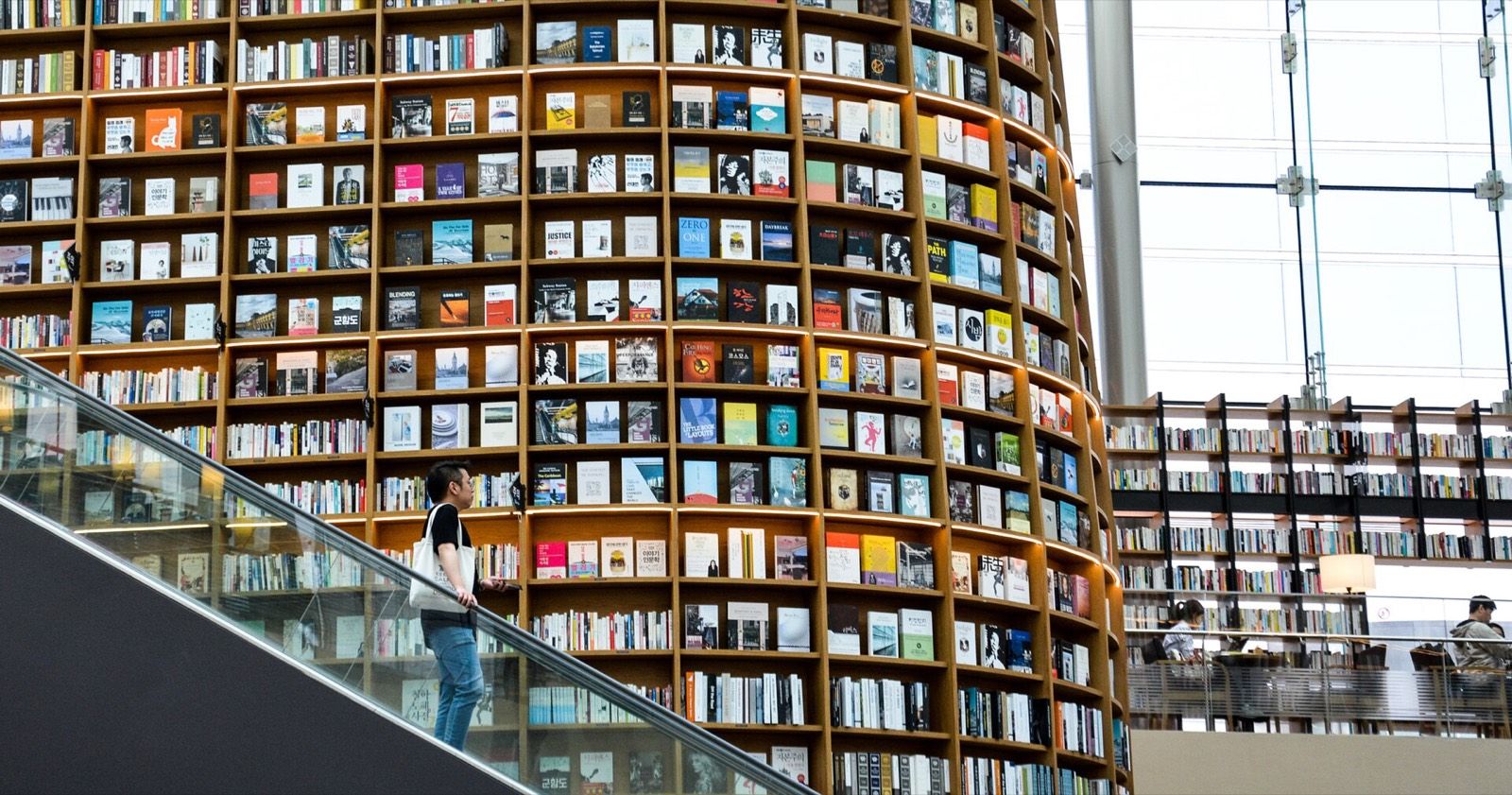
Afternoon: Starfield COEX + library
Asia's largest underground mall, connected straight to the subway — you never see the sky. The 13-metre bookshelf library is the photo, the aquarium is the kid-saver, and lunch options run into the hundreds.
Evening: NANTA show, Myeongdong
Non-verbal kitchen-percussion comedy, running since 1997. It needs zero Korean, kids and grandparents both laugh, and the theatre is 3 minutes from Myeongdong station. The city's best wet-evening backup.
Wildcard: personal color analysis
The viral K-beauty consultation — a stylist drapes you in swatches and issues your official 'season'. A fun rainy hour if you're into it, ₩80,000 of shrug if you're not. Books out days ahead either way.
National Museum of Korea
If you'd rather have culture than saunas, the National Museum of Korea is the best free museum in the country — a vast modern building on Line 4 (Ichon station, direct indoor passage from the subway) with the Baekje gold, the moon jars and a world-class Buddhist art floor. Free entry, closed Mondays, and it swallows a wet afternoon whole. Swap it in for the jjimjilbang if communal bathing isn't your thing.
Also worth knowing: Gwangjang Market is fully covered, so a market lunch works in any weather — and the underground arcades linking the malls and subway make Gangnam the most rainproof district in the city.
Lock in the rainy-day lineup
FAQ
When is Seoul's rainy season?
Jangma — the East Asian monsoon — runs from late June through July, and it's real rain: sheets of it, sometimes for days. August stays humid with thunderstorms. Traveling in that window, build this page's lineup into your plan rather than hoping. The rest of the year, rain is occasional and short-lived.
What about typhoons?
Typhoon season brushes Korea August–September, usually as a day or two of heavy rain and wind rather than a direct hit — Seoul sits inland and takes far less than the south coast. If one's forecast: it's a jjimjilbang-and-museum day, day trips like Nami Island get cancelled, and it passes quickly.
Where do I buy an umbrella in Seoul?
Any CU, GS25 or 7-Eleven — there's one on every block — sells umbrellas for about ₩8,000 the moment rain starts. Clear plastic is the local standard. Don't pack one; buy it there and abandon it nobly at the end of the trip like everyone else.
Does rain ruin a Seoul trip?
No — Seoul might be the best-equipped rainy city in Asia: enormous malls and museums, covered markets, underground arcades linking whole districts, spas designed for all-day lounging, and a subway that connects directly into most of them. What rain actually costs you: mountain hikes, Han River picnics and the N Seoul Tower view. Everything else proceeds.
Is the COEX aquarium worth it on a rainy day?
With kids, yes — a solid two-hour aquarium (~₩33,000 adults) attached to the mall, which on a wet day with a bored 6-year-old is cheap. Without kids, the free Starfield Library and a long lunch do the same job for ₩0. More kid logistics on our Seoul with kids page.