Is the NANTA show
worth it?
Yes — NANTA has run since 1997 because it simply works: about 100 minutes of non-verbal kitchen-percussion comedy in which a crew of cooks drum on chopping boards, juggle knives and demolish a mountain of cabbage against a wedding-banquet deadline. No dialogue means jet-lagged kids, grandparents and you all laugh at the same bits. Box office is ₩50,000–70,000, and online deals start well below that. It plays two Seoul theatres, Myeongdong and Hongdae: usually two shows a day in Myeongdong, more at weekends — pick a time when you book. Raining? This plus street food after is the evening — see our rainy-day plan.
Fit check
Rather book it?Seoul Night Market Food Tour on Klook ↗
What NANTA actually is
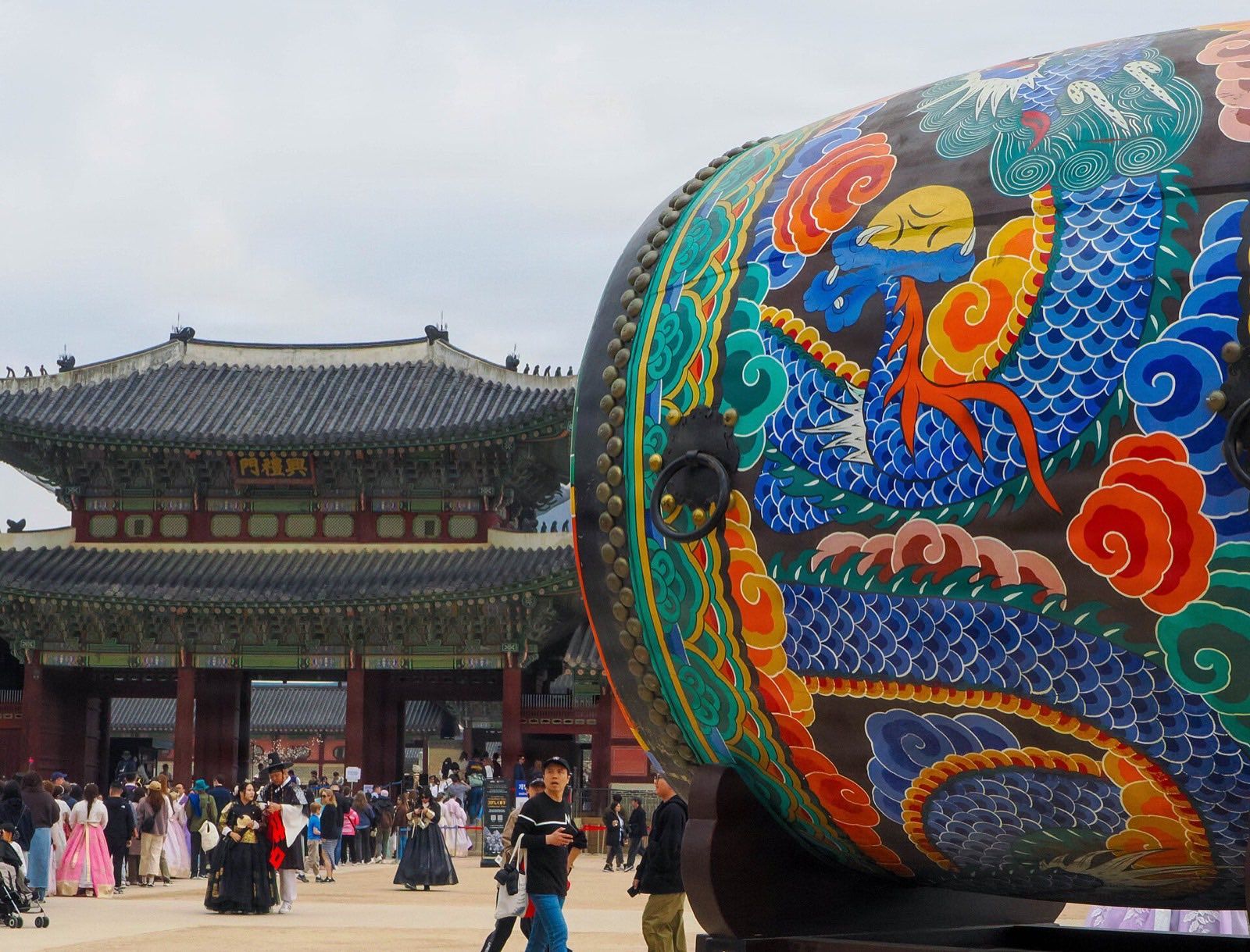
NANTA first played in 1997, took itself to New York in 2004, and by its producers' count has drawn more than 8 million people — the biggest audience of any show in Korean history. The premise: a tyrannical manager gives his three chefs (plus his hapless nephew) one evening to prepare an entire wedding banquet. The 'score' is samulnori — traditional Korean drumming — played on pots, pans, water tanks, brooms and industrial quantities of vegetables. It's louder, faster and funnier than the concept suggests.
It's non-verbal by design, with a few shouted syllables and heavy audience participation: people get pulled on stage to play the bride and groom in a mock traditional wedding or to race in a dumpling-stacking contest. If that's your nightmare, the mid-house S seats (₩60,000 at the box office) keep you out of range with a perfect view; A seats are ₩50,000 and VIP ₩70,000. The official site's own early-bird and youth deals started from about ₩32,000–35,000 as of October 2026, and resellers undercut the box office too.
The practical bit
Where to book NANTA
Never pay box-office price — online tickets usually undercut it. Weekends and rainy days sell out first; weeknights are the easy ones.
FAQ
Is NANTA good for kids?
It's the best show for kids in Seoul — about 100 minutes of drumming, flying vegetables and slapstick with nothing to read or translate. The sweet spot is roughly ages 5–12. Babies under 12 months aren't admitted, ages 12–35 months go free on a lap, and everyone 3 and up needs a ticket (the official site gives ages 3–18 a 30% discount). It is genuinely loud, so seat noise-sensitive kids toward the back.
Is NANTA in English?
It's non-verbal — the whole show is percussion, mime and physical comedy, with maybe a dozen shouted syllables in the whole performance. That's exactly why it has run since 1997 on audiences from everywhere. You will miss nothing.
How long is the NANTA show?
About 100 minutes. Myeongdong usually runs two shows a day on weekdays and adds a matinee at weekends; Hongdae runs fewer shows. The schedule shifts around holidays, so pick a time when you book. Ticket pickup opens an hour before each show.
Where should I sit at NANTA?
Sit in the first few rows if you want to risk being pulled on stage for the dumpling contest or the mock wedding; pick S seats mid-house (₩60,000 box office) if you'd rather watch than participate. A seats (₩50,000) sit further back and work fine for a show built on big physical comedy.
How much are NANTA tickets?
Box office: A ₩50,000, S ₩60,000, VIP ₩70,000 at both Seoul theatres. Online, the official site's early-bird and youth deals started from about ₩32,000–35,000 as of October 2026, and resellers also undercut the box office — never pay walk-up price. Weekends and rainy days sell out first.
What is the NANTA show about?
Three chefs and the manager's useless nephew have one evening to cook an entire wedding banquet, and the kitchen descends into rhythmic chaos. The drumming is rooted in samulnori, Korea's traditional percussion — you leave with the beat stuck in your head and a new respect for cabbage.